


Every year on January 1st, a quiet yet culturally monumental event takes place in the U.S.: new works enter the public domain, meaning they become free for anyone to use. In 2026, this wave has swept up a whole range of iconic characters, books, and cartoons originally created in the 1930s.
What “Public Domain” Means in Simple Terms
When the maximum term of copyright protection expires (95 years in the U.S.), a work is no longer protected. This means:
-
It can be used without permission;
-
No royalties need to be paid;
-
It can be remade, adapted, or reimagined.
That is why each new “batch” of such works opens up vast creative opportunities—from films to memes.
The Star of the Year: Betty Boop
One of the main protagonists of 2026 is the iconic animated character Betty Boop.
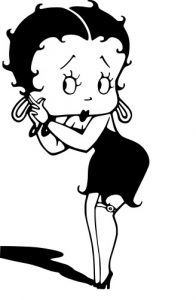
Her first appearance in the cartoon “Dizzy Dishes” (1930) is now in the public domain. There is an interesting nuance here:
-
Initially, she wasn’t a human, but a dog;
-
She had poodle ears and a black button nose;
-
Only later did she transform into the image we recognize today.
This means that specifically this early version of the character is now available for free use.
But it’s important to note: While the copyright has expired, the trademark for Betty Boop remains in effect.
-
Meaning: You can make movies, but selling branded T-shirts is risky.
Comics: Blondie and a New Era of Pop Culture
Another fascinating character is Blondie, the heroine of the popular newspaper comic strip.
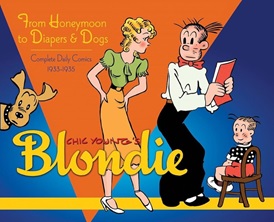
Originally, it was a story about a flighty young woman, but over time the plot shifted:
-
She marries Dagwood;
-
The comic evolves into a domestic family comedy.
This is an example of how characters evolve alongside society—and now anyone can create their own version of Blondie.
Animation Classics: Mickey Mouse Expands His Freedom
Following the 2024 release of the first version of Mickey into the public domain, in 2026:
-
9 more cartoons enter the public domain;
-
Along with them, the early version of Pluto the dog (then known as “Rover”).
It is a gradual process: each new version of a character is “freed” separately, depending on its date of creation.
Literature: Detectives Ready for a “Reboot”
The year 2026 has opened the doors for new interpretations of three legendary characters at once:
-
Nancy Drew — the teen detective;
-
Sam Spade — the hero of the noir novel “The Maltese Falcon”;
-
Miss Marple — the classic British detective.
Now:
-
New books can be written featuring them;
-
Films can be produced;
-
Alternative stories can be created. And all of this comes without licenses or copyright restrictions.
Why This Matters Today
The transition into the public domain is not just a legal formality. It is:
1. Fuel for Creativity
New generations of artists can:
-
Reimagine old stories;
-
Create cultural remixes; (Recall, for instance, how Winnie-the-Pooh became a horror movie protagonist after entering the public domain).
2. New Business Models
Companies gain:
-
Free IP (Intellectual Property) assets;
-
The ability to launch products quickly.
3. Legal Pitfalls
A crucial nuance: copyright ≠ trademark. Even if a work is in the public domain:
-
The brand may still be protected;
-
Commercial use can still lead to disputes.
Conclusion
2026 shows that the public domain is not an “archive of the past,” but an active field for innovation. Old characters are getting a second life, and modern culture is increasingly becoming a remix of history.
Most importantly: what was created nearly 100 years ago is becoming relevant again today—but now in the hands of a new generation of creators.
Founder of Research & Patent group Intectica, author of patent algorithms for solving problems in the pharmaceutical industry, patent attorney certified in all intellectual property objects (Patents, Design, TM), with education in chemistry and law, chief expert of the patent institution of Ukraine UKRPATENT (1997-2004). Member of international organizations, including ECTA, PTMG, UAM, lecturer and blogger.