+38 067 242 88 94
UA
+38 044 599 5505
UA
+35 987 727 87 44
BG
office@intectica.com
Home
Services
Regulatory
Educational center
Pricing
Our History
Blog
Contacts
+38 067 242 88 94
UA
+38 044 599 5505
UA
+35 987 727 87 44
BG
office@intectica.com
EN
UA
21 May 2026
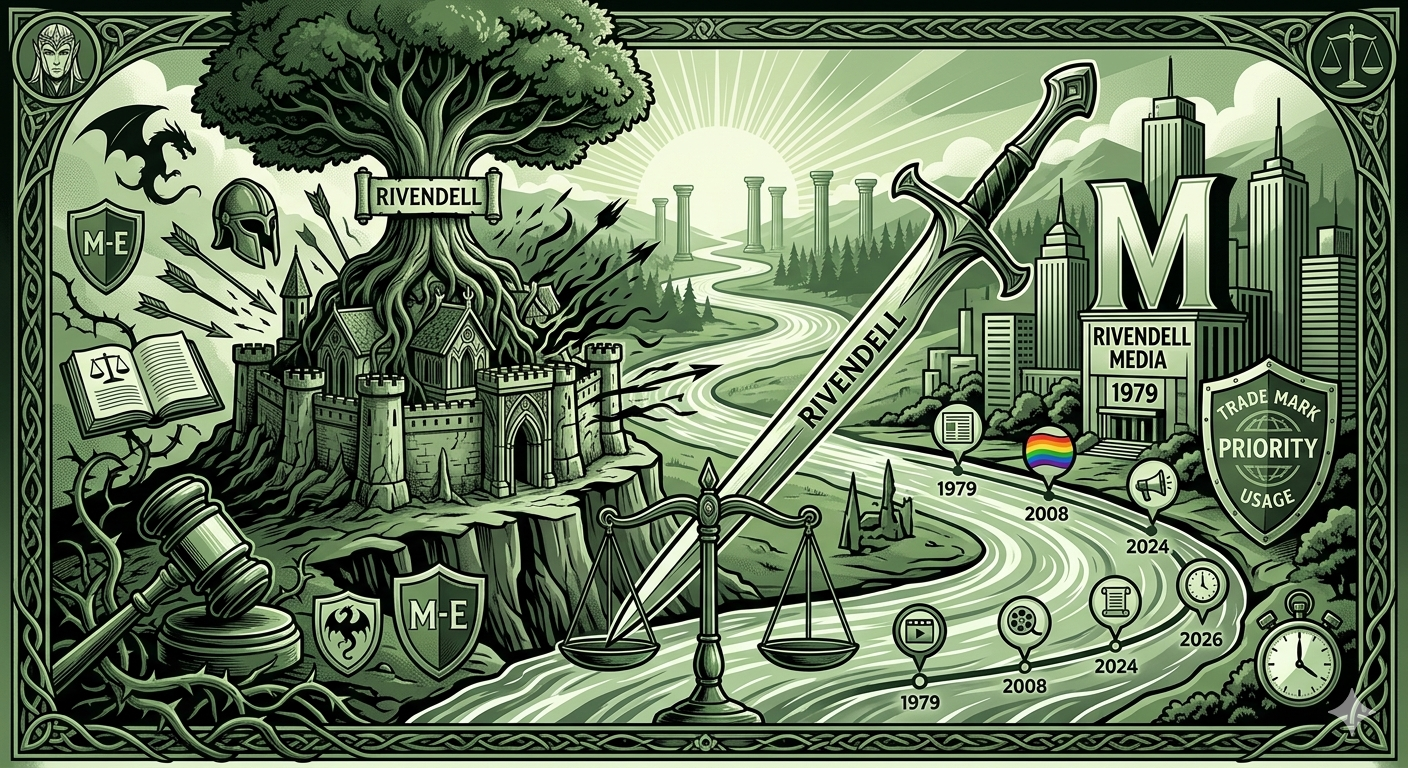
The Battle for Rivendell: Why the Creators of “The Lord of the Rings” Went to War Against an LGBT Agency
In the world of J.R.R. Tolkien, the battles for Middle-earth usually take place on massive battlefields with swords and magic. However, nowadays, a completely real and fierce legal battle is unfolding, where the main weapons are not dwarven axes, but intellectual property rights.
20 May 2026
Bollywood Stars vs. Digital Twins: Why “Identity Theft” is More Dangerous Than Regular Piracy
Bollywood stars and cricket legends in India have declared war on artificial intelligence. The issue is not that people are watching their movies for free, but that digital technologies have literally begun to steal their identities.
19 May 2026
Pedro Pascal vs. “Pedro Piscal”: How a “Play on Words” Turned into a Legal Battle
The world-famous movie star, beloved by many, Pedro Pascal, has found himself at the center of an unusual legal dispute. His name has been encroached upon, but not in Hollywood—rather, in his native Chile, and not by other actors, but by... alcohol producers. The case, currently being reviewed by the National Institute of Industrial Property of Chile (INAPI), concerns the fight over the trademark "Pedro Piscal".
18 May 2026
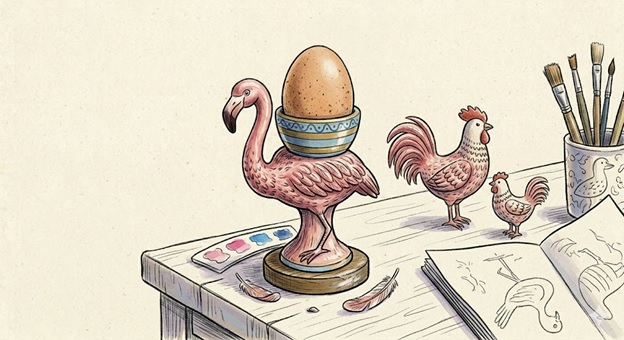
Creativity vs. Discount Giants: British Artist Accuses Australian Chain of Design Theft
A new intellectual property scandal has erupted in the world of modern retail. This time, the center of attention is a simple flamingo-shaped egg cup, which has become a bone of contention between independent British ceramicist Hannah Turner and the large Australian store chain The Reject Shop.
15 May 2026
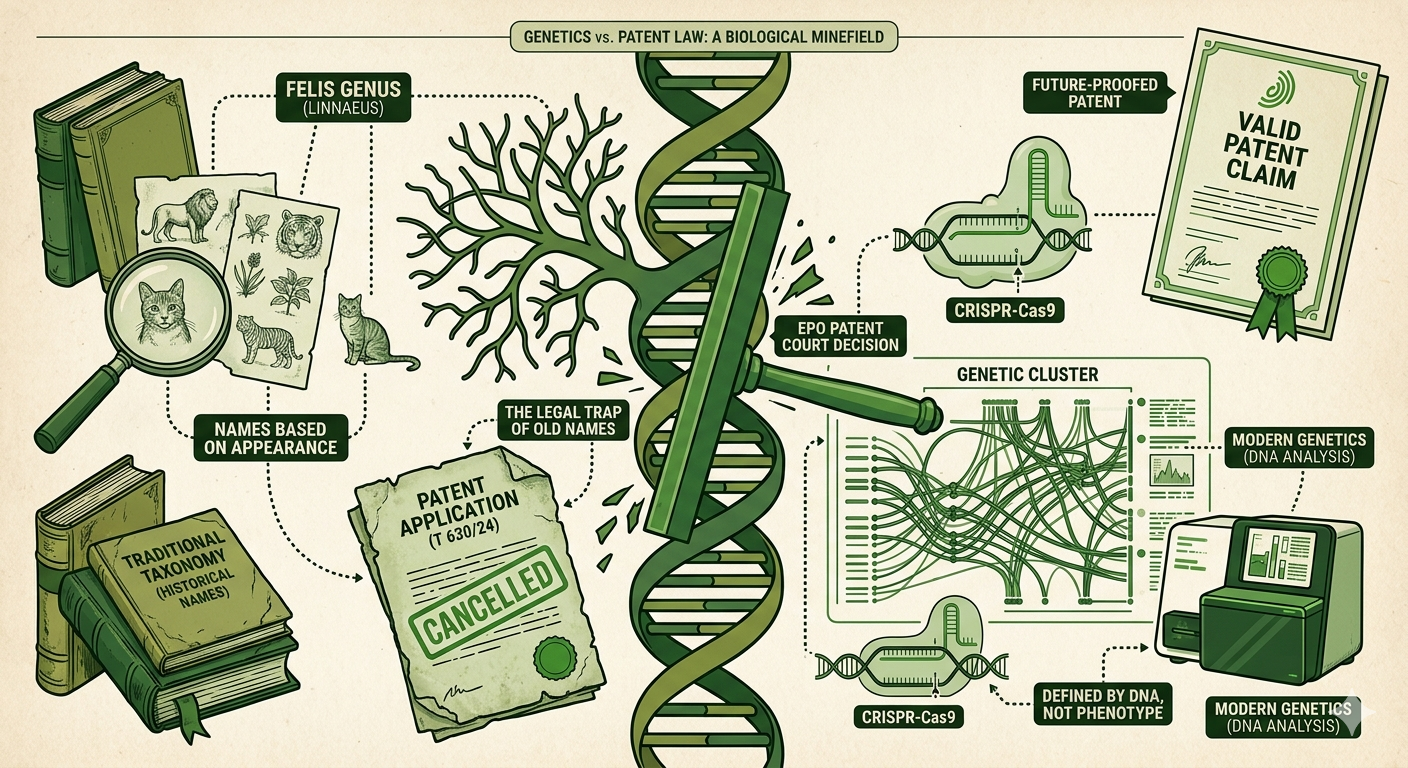
Man vs. Nature: How Biological Names Can “Bury” a Promising Patent
Patent attorneys love to argue over the meaning of words, but in biology, this pursuit turns into a literal minefield. A recent decision by the Board of Appeal of the European Patent Office (EPO) in case T 630/24 serves as a striking illustration of how a conflict between historical names created by humans and actual genetics can lead to the revocation of a patent.
14 May 2026
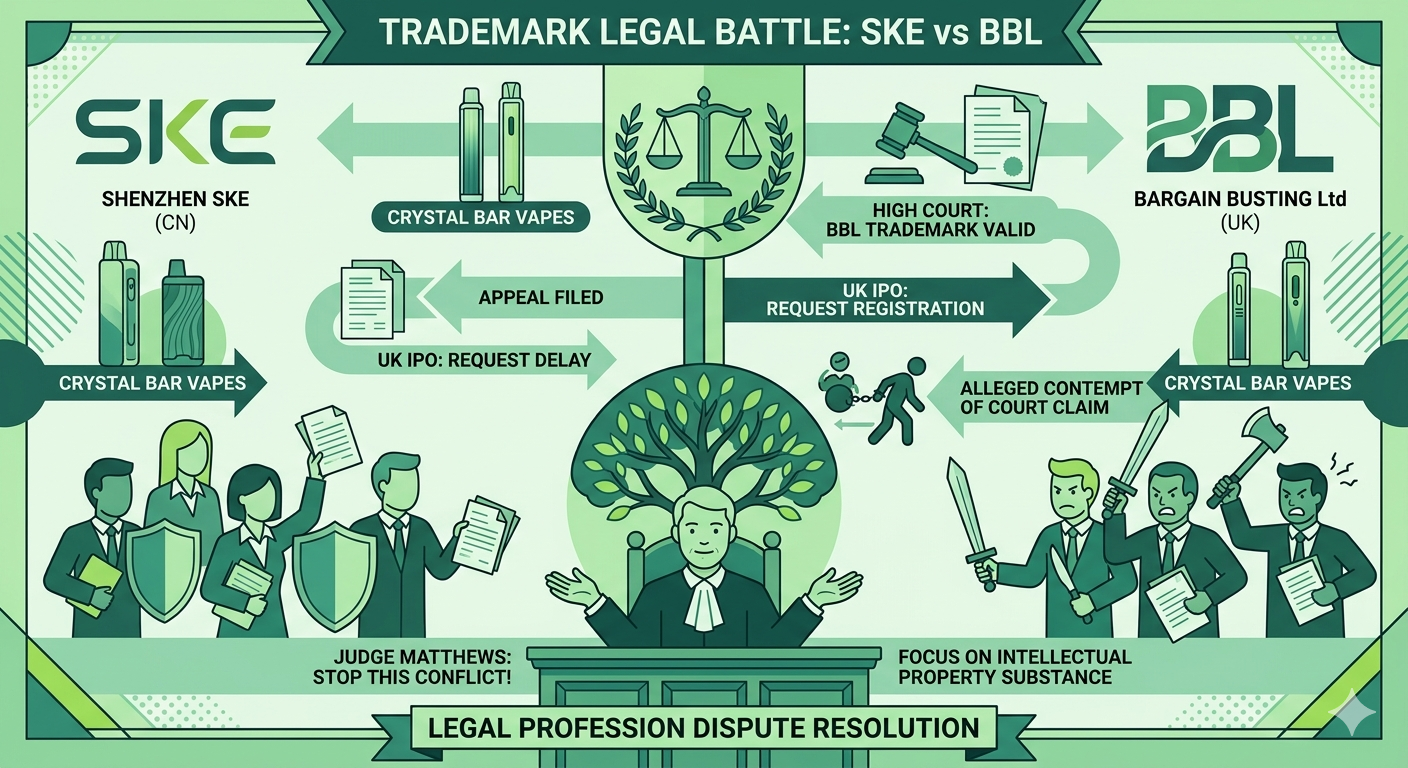
A Legal “Low Blow”: How a Vape Brand Dispute Escalated into Contempt of Court Charges
What began as a routine dispute over the name of "CRYSTAL BAR" vapes has devolved into a true "war of attrition" between two companies. The situation escalated to the point where lawyers for both sides began attacking not only their opponents but also each other, using "contempt of court" allegations as a weapon.
1
2
3
4
...
24
Please, choose services
Trademark
Patent
Design